Trying to decide between Cottonwood Heights and Holladay? You’re not alone. Both sit on Salt Lake’s east bench with mountain views, strong community feel, and quick access to daily conveniences. The right choice comes down to the lifestyle details that matter to you: price ranges, housing style, schools, commute, and canyon access. This guide compares each city side by side so you can move forward with confidence. Let’s dive in.
Cottonwood Heights vs Holladay: At a glance
- Population and pace. Cottonwood Heights has about 32,400 residents and Holladay has about 30,600 residents, according to Census QuickFacts for Cottonwood Heights and QuickFacts for Holladay.
- Commute times. Average commute times are similar, with Holladay at about 19.6 minutes and Cottonwood Heights around 22 minutes, based on multi-year American Community Survey estimates on QuickFacts.
- Setting and canyon proximity. Cottonwood Heights sits right at the mouths of Big and Little Cottonwood Canyons, often called the “city between the canyons,” which makes mountain access feel immediate. Holladay sits a bit north with mature tree cover and established neighborhoods on the bench. Learn more about Cottonwood Heights’ location on its Wikipedia page.
Home prices and housing types
What homes typically cost
Price points vary based on the data source and time frame, so use them as ranges and confirm with your agent’s MLS comps.
- Cottonwood Heights. Recent trackers show a range: a monthly sales snapshot reported a median around $925,000 in January 2026, while a modeled home-value index showed about $752,000 as of January 31, 2026. The Census’ median value of owner-occupied homes (multi-year estimate) is about $694,100 on QuickFacts.
- Holladay. Monthly sales snapshots have shown a median near $768,000 (January 2026), while a modeled home-value index showed about $805,000 as of January 31, 2026. The Census’ owner-occupied median value sits around $700,100.
Why the gap? Monthly sales medians reflect what closed recently, modeled indexes estimate typical values across the whole housing stock, and the Census figure is a multi-year survey estimate. These are helpful guideposts. Your specific street and home style will drive the true comp set.
Where prices vary inside each city
- Cottonwood Heights. Prices climb near the canyon mouths and in mountain-adjacent pockets, with many sales clearing well above the citywide median. Older subdivisions and lower-bench areas can offer more approachable options.
- Holladay. Historic Holladay and Olympus-area neighborhoods often command premiums, while other pockets can offer more modest pricing. Because both cities have wide intra-city spreads, compare at the neighborhood level, not just citywide medians.
What the homes feel like
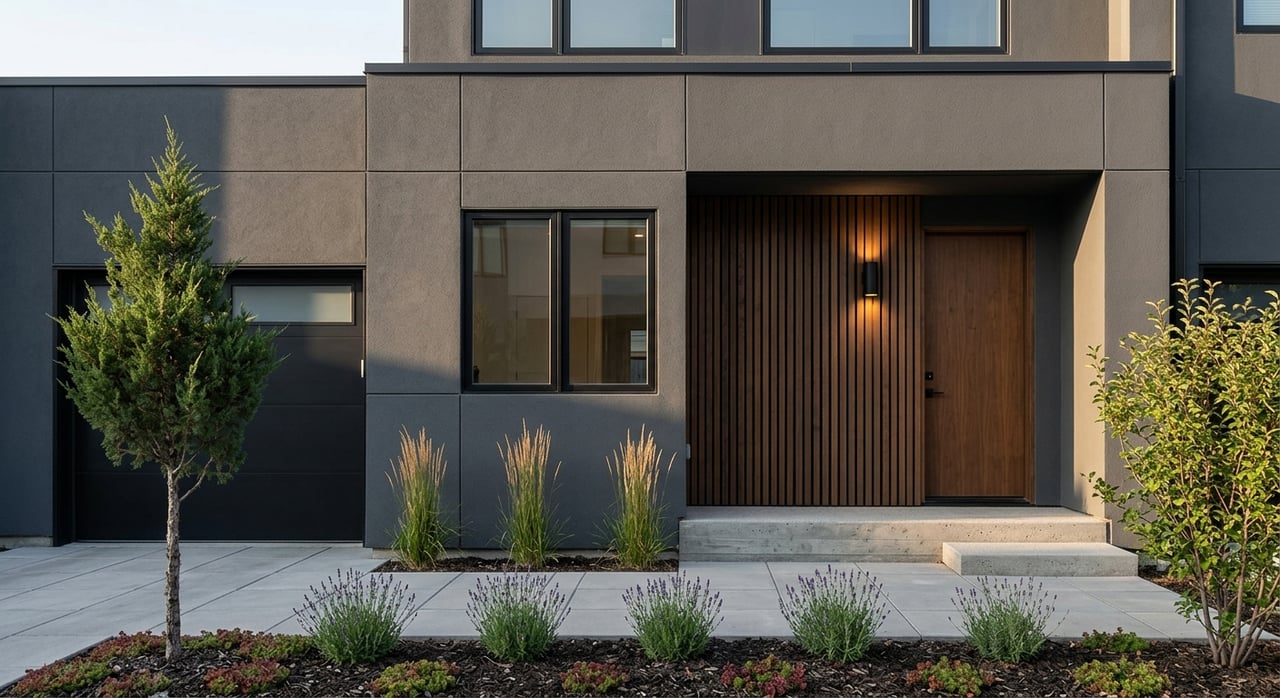
- Cottonwood Heights. You’ll see a large share of 1960–1999 single-family homes with some newer infill and renovated product, plus condo or rental clusters near commercial corridors. Local reporting calls out a notable 1960–1979 era presence and measurable post-2000 construction, especially in select pockets. See a recent local summary on housing patterns from the Cottonwood Heights Journal here.
- Holladay. Expect mature, tree-lined streets, many larger lots, and homes built across the 1930s–1970s with steady renovations and some infill. Owner-occupancy rates are high, and the built era contributes to the city’s established, residential feel.
Schools and boundaries
School district lines are one of the first filters most families use, and boundaries can cross city limits.
- Cottonwood Heights is primarily served by the Canyons School District. Many addresses feed Butler Elementary and Middle into Brighton High. You can review district schools and boundary tools on the Canyons District schools page.
- Holladay is largely served by the Granite School District, including areas that feed Olympus Junior and Olympus High. Because zones can change, verify any address directly with the district’s boundary and enrollment tools.
How to evaluate schools for your shortlist:
- Confirm the exact address against the district boundary tool.
- Review the school’s state report card and programs that matter to your household.
- Visit campus and speak with administrators or community groups to understand culture and offerings.
Mountain access and recreation
Canyon access differences
- Cottonwood Heights offers the most immediate access to Big and Little Cottonwood Canyons. For daily skiers or riders headed to Brighton, Solitude, Alta, or Snowbird, being near the canyon mouths can shave meaningful minutes during winter congestion.
- Holladay still puts you close to foothill trails and regional parks and remains a quick drive to the canyons. For many users it’s a small difference, but if you plan frequent dawn patrols or weekend powder days, proximity can matter.
Seasonal realities to plan for
Canyon traffic, weather, and seasonal traction rules can affect door-to-door times. Utah DOT and UTA operate winter safety initiatives and shuttle or park-and-ride services during peak periods. It’s smart to plan for variability and check seasonal restrictions highlighted in local reporting, such as this Axios overview of Cottonwood Canyon traction rules.
Commute, transit and daily routes
Both cities are car-forward with quick connections to I-215 and east-bench arterials. Average commutes clock in around 22 minutes in Cottonwood Heights and about 19.6 minutes in Holladay, based on multi-year ACS estimates. Your actual time depends on your work location and the hours you drive.
Transit access varies by address:
- Neither city has a TRAX line running through all of its limits. The nearest TRAX stations and the Murray Central FrontRunner hub sit in adjacent cities like Murray and South Salt Lake; see the TRAX Red Line overview for context.
- UTA operates bus routes and seasonal ski shuttles that serve canyon park-and-ride lots. If transit is a priority, confirm routes and schedules on rideuta.com.
Neighborhood feel and amenities
- Cottonwood Heights skews toward a mountain-oriented lifestyle, active recreation, and convenient canyon access. You’ll find local parks, a well-used recreation center, and some higher-density pockets around Fort Union and key commercial corridors.
- Holladay reads as a mature, established suburb with tree-lined streets and a compact town center vibe in areas like Holladay Village/Knudsen’s Corner. Expect local shops, restaurants, and parks within a short drive.
How to choose: a quick decision path
Use this checklist to turn preferences into a focused home tour list:
- How close do you want to be to specific canyon trailheads or ski areas on a typical morning?
- Which public schools or programs fit your needs? Verify address assignments with the Canyons District boundary tools and the Granite District’s enrollment resources.
- Do you value larger lots and mature trees more than newer construction or immediate trailhead access?
- How sensitive are you to winter canyon traffic and traction rules? Review seasonal guidance, including local canyon traffic advisories.
- Will you use bus, shuttle, or TRAX options? Check exact routes and times on rideuta.com.
- Drive potential streets during your actual commute hour and on a winter weekend to gauge parking, canyon traffic, and noise.
- Ask your agent for neighborhood-level MLS comps to ground offers in current data.
Next steps
Both Cottonwood Heights and Holladay deliver the core east-bench lifestyle. Your best fit comes down to the tradeoffs you prefer: immediate canyon access versus a more established neighborhood fabric, the exact school boundary for your address, and the type of home and lot that feel like “you.” When you weigh these factors with current comps and on-the-ground drive tests, the right choice becomes clear.
If you want a data-informed, white-glove process from search to closing, connect with Christian Casados. Book a consultation to align your lifestyle goals with a precise street-by-street plan.
FAQs
What are the biggest lifestyle differences between Cottonwood Heights and Holladay?
- Cottonwood Heights offers faster access to Big and Little Cottonwood Canyons, while Holladay delivers an established, tree-lined neighborhood feel with a compact town-center vibe.
How do home prices compare in Cottonwood Heights vs Holladay?
- Recent snapshots place Cottonwood Heights’ median sales around the low-to-mid $900Ks and Holladay around the high $700Ks, with modeled indexes and Census medians showing different ranges; confirm your street with MLS comps.
Which school districts serve these cities, and how do I verify my address?
- Cottonwood Heights is primarily Canyons School District and Holladay is largely Granite School District; always verify an exact address using the Canyons District schools page and the Granite enrollment tools.
What are the average commute times for Cottonwood Heights and Holladay?
- Multi-year ACS estimates show about 22 minutes for Cottonwood Heights and 19.6 minutes for Holladay, though your commute will vary by destination and time of day.
Is public transit convenient in Cottonwood Heights or Holladay?
- Neither city has a TRAX line throughout its limits; nearby stations sit in adjacent Murray/South Salt Lake, and UTA operates local bus routes and seasonal canyon shuttles—check rideuta.com for specifics.
What should I know about winter canyon traffic if I ski often?
- Expect variable travel times, traction rules, and occasional restrictions; Utah DOT and UTA manage seasonal safety and shuttles, and local reporting like Axios’ canyon overview can help you plan.