What if your favorite part of the neighborhood was also the thing that shaped your daily routine? In Sugar House, that idea feels practical, not aspirational. If you want a lifestyle built around short trips, outdoor time, and a steady mix of coffee, errands, and local gathering spots, Sugar House Park sits at the center of it all. Let’s dive in.
Why Sugar House Park Sets the Pace
Sugar House Park is more than a green space on the map. Salt Lake County describes it as a roughly 110-acre park with a large pond, sledding hills, access to Parley’s Trail, and a 1.38-mile road with a 16-foot pedestrian lane. It also includes pavilions, two playgrounds, a sports field, baseball, volleyball, basketball, horseshoes, and bocce.
That range matters because it supports more than one kind of routine. You can use the park for a quick morning walk, a longer weekend loop, a playground stop, or a seasonal outing. Instead of being an occasional destination, it can become part of how you organize your day.
How Sugar House Feels Day to Day
Salt Lake City places Sugar House in the southeast part of the city, roughly between 500 East and Foothill Drive and 2100 South to about 2900 South. The Sugar House Business District centers around 2100 South and 1100 East or Highland Drive, where the city describes a mix of shopping, dining, services, entertainment, recreation, local businesses, and larger national stores.
That mix helps explain why the area feels active throughout the day. You are not relying on one main attraction. You have a park anchor, a business district, neighborhood streets, and nearby destinations that make it easier to build a repeatable routine.
Salt Lake City also describes Sugar House as a village-style part of the urban fabric that predates the automobile. In practical terms, that often translates to a neighborhood scale that feels easier to explore on foot or by bike, especially for shorter trips.
Building a Short-Trip Routine
If you are picturing life here, the clearest pattern is simple. Start with the park, add a coffee stop, fold in a few errands, and end with an easy dinner or meetup nearby. That rhythm is one of the strongest reasons Sugar House stands out.
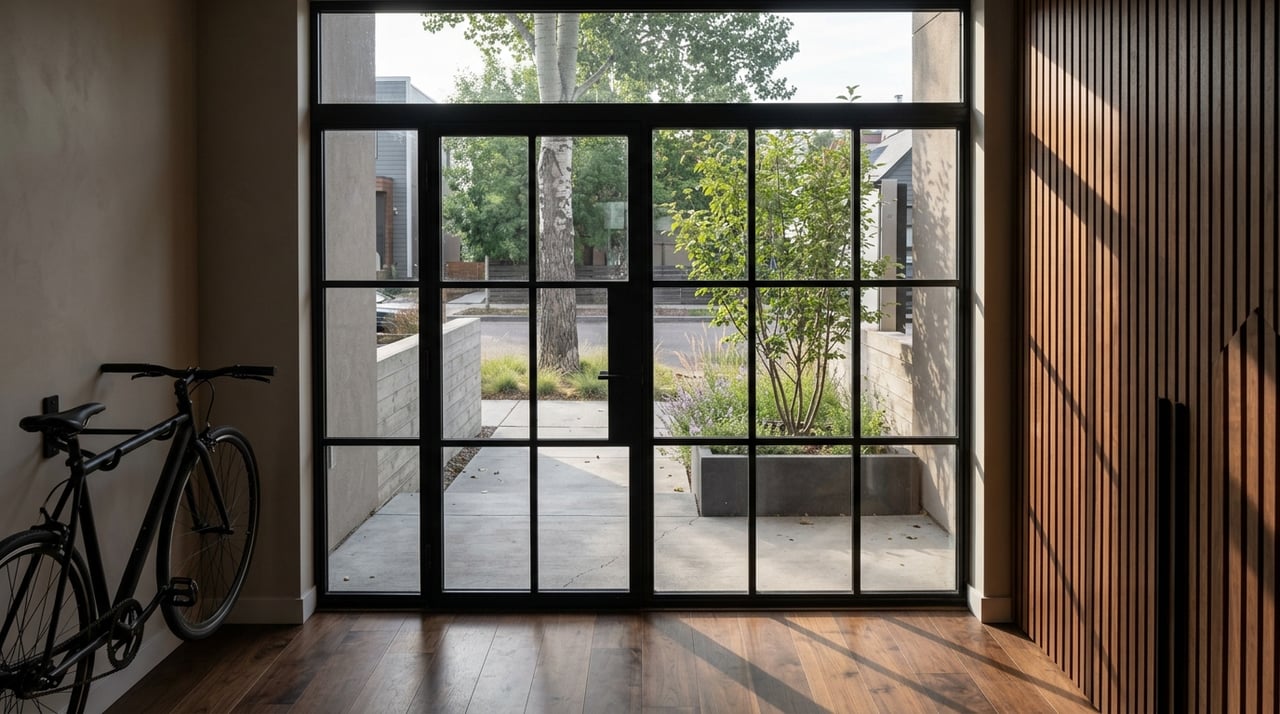
A realistic way to think about the area is this: many daily errands can be done on foot or by bike, but it is better not to assume a fully car-free lifestyle. The city and UTA sources support that measured view through improved crossings, multi-use paths, trail links, and transit connections.
Walking and Biking Connections
Salt Lake City says the rebuilt 2100 South added bike racks, benches, upgraded crosswalks, and a multi-use path on the south side of the street. The city also notes that crews planted more than 150 trees along the corridor, which adds comfort and visual appeal to a route many residents use regularly.
The McClelland Trail adds another useful layer. The city describes it as a comfortable route for walking and bicycling between 9th & 9th and the Sugar House Business District, using quiet neighborhood streets and off-street paths. Shared-street improvements on McClelland also added landscaping, outdoor dining, a narrower roadway, and more crosswalks.
Then there is The Draw, which the city says provides an easy pedestrian and bicycle connection from the business district and Hidden Hollow to Sugar House Park. When you put those pieces together, the neighborhood supports movement in a way that feels intentional rather than incidental.
Transit Access That Expands Your Radius
Sugar House also benefits from transit that connects local life to a broader area. UTA describes the S-Line as a two-mile streetcar linking Sugar House and South Salt Lake with parks, shops, restaurants, TRAX, bus lines, and the Parley’s Trail system.
That matters if you want flexibility. You may still drive for some trips, but the S-Line gives you another option for getting around without turning every outing into a car-only errand.
Parley’s Trail adds even more range. UTA describes it as an 8-mile walking and biking path linking the Bonneville Shoreline Trail to the Jordan River Parkway Trail, with key segments complete through Sugar House. For buyers and renters who value outdoor access as part of everyday life, that is a meaningful feature.
Coffee and Meal Stops That Fit the Routine
A neighborhood lifestyle works best when your repeat destinations are close, easy, and enjoyable. Sugar House has several well-known stops that fit naturally into a park-centered day.
Sugar House Coffee, at 2011 S 1100 E, describes itself as a community gathering space and venue for local artists and musicians. The shop says it has served the neighborhood since 2002, which gives it a long-running local presence.
Roots Coffee Sugar House, at 1386 S 1100 E, lists its Sugar House location and says it roasts coffee in-house in Utah. If your ideal morning includes a quick stop before a walk or work session, that kind of nearby option becomes part of the neighborhood value.
For meals, Finn’s Cafe at 1624 1100 E says its breads are baked in-house every day and describes a cozy dining room with a patio. The Dodo, at 1355 E 2100 S, says it has been a neighborhood gathering place since 1981 and notes that its patio overlooks Sugar House Park and the Wasatch Range.
Squatters Sugar House, at 2110 Highland Dr., describes itself as a neighborhood brewpub with locally brewed beer, weekend brunch, and a dog-friendly patio. These are not just isolated businesses. They help create the kind of regular, low-effort social pattern that makes a neighborhood feel lived-in.
Errands and Meetups Beyond the Park
The appeal of Sugar House is not limited to recreation and dining. Salt Lake City says the district includes shopping, services, second-hand goods, coffee, restaurants, yoga, and national stores. That broader mix makes it easier to combine everyday tasks with leisure in the same part of town.
You also have the 21st & 21st area nearby along 2100 South between 2000 East and 2300 East. The city says this district is home to food, specialty boutiques, designers, and other neighborhood businesses, with ongoing efforts to make it more walkable, bike-friendly, and aesthetically attractive.
For many people, that is what makes the area stick. You can take care of practical tasks, meet a friend, spend time outside, and still keep your day compact.
Why the Park Works Year-Round
Some neighborhoods shine in one season and flatten out in another. Sugar House Park supports a more balanced pattern across the year.
Salt Lake City points to a Wednesday summer farmers market and Fourth of July fireworks at Sugar House Park. Those events reinforce the park’s role as a neighborhood gathering place, not just a recreational asset.
In winter, the park’s sledding hills help keep it active when temperatures drop. The research also notes cross-country skiing as part of the seasonal picture, which adds another layer to the idea of the park as a year-round anchor.
Who This Lifestyle Often Fits
This kind of neighborhood pattern can appeal to a wide range of buyers and renters. It often resonates with people who want a neighborhood feel, repeated local destinations, and easier access to outdoor space without needing downtown density.
It can also work well if you value a more measured routine. Instead of chasing a long list of big attractions, you are choosing a place where the same few destinations can serve you well again and again.
Real Estate Perspective: Buying for Lifestyle
When you are evaluating Sugar House, it helps to think beyond square footage alone. A home near a major neighborhood anchor like Sugar House Park may offer value through convenience, recreation access, and a more connected daily rhythm.
That does not mean every block feels the same. What matters is how a specific property connects to the park, the business district, nearby services, and the routes you are most likely to use.
If you are buying with lifestyle in mind, it is worth asking practical questions like:
- How easily can you reach the park on foot or by bike?
- How close are your likely coffee, dining, and errand stops?
- Do the nearby street and trail connections match how you actually like to move around?
- Would transit access like the S-Line make your week easier?
Those questions can help you choose a home that supports your routine, not just your wish list.
What Sellers Can Highlight
If you are selling near Sugar House Park, lifestyle positioning matters. Buyers are often drawn to the area because they can picture a real day-to-day routine, not just a home interior.
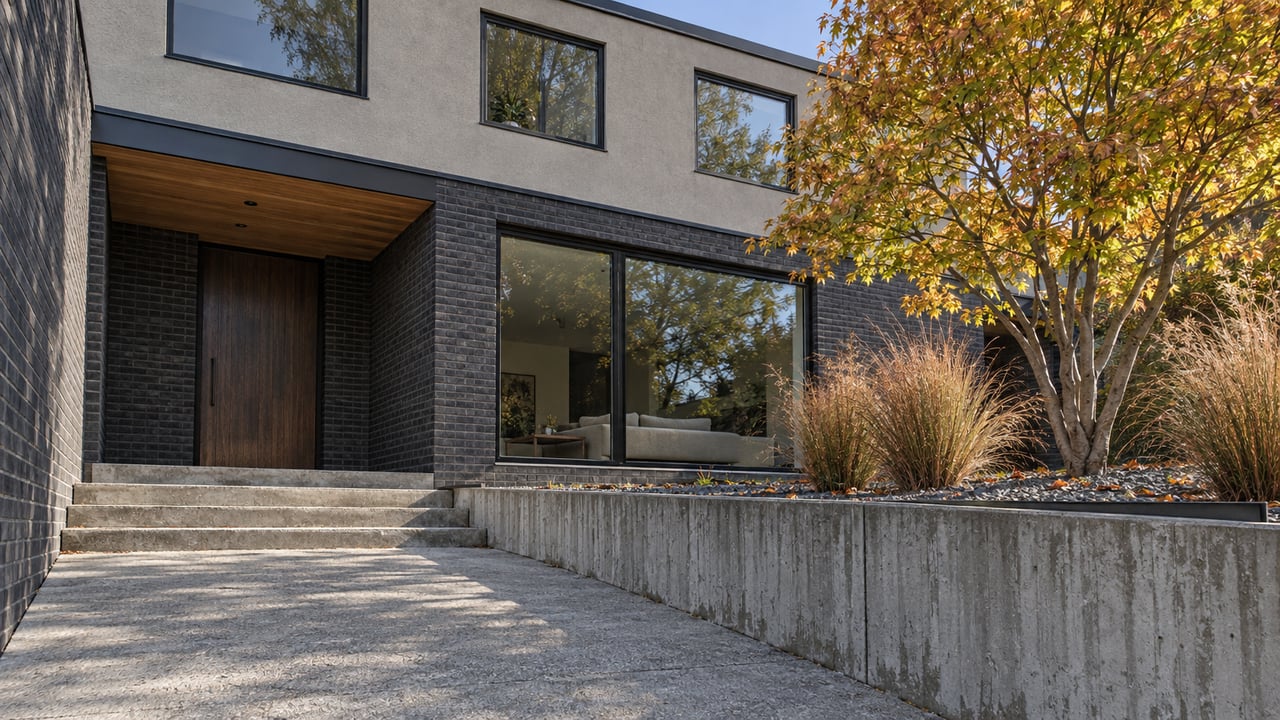
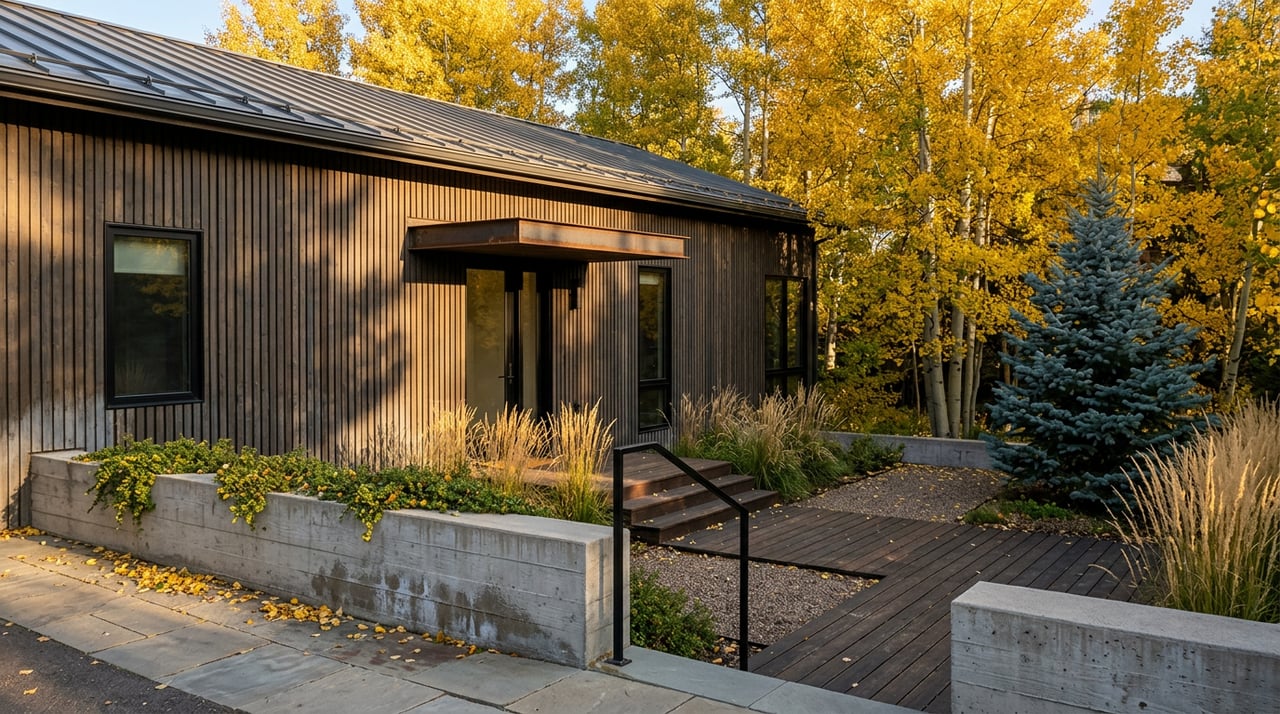
That means marketing should show more than finishes and room counts. It should also tell a clear, factual story about access to the park, the business district, trail connections, and the broader neighborhood pattern that makes Sugar House distinct.
That is especially important in a lifestyle-driven market. Strong presentation, thoughtful visuals, and a precise neighborhood narrative can help buyers understand what living there actually feels like.
If you are thinking about buying or selling in Sugar House, working with an advisor who can pair neighborhood insight with polished marketing and reliable execution can make the process feel much more clear. When you are ready to plan your next move, connect with Christian Casados.
FAQs
What makes Sugar House Park important to daily life in Sugar House?
- Sugar House Park serves as a central neighborhood anchor with walking space, recreation areas, a pond, playgrounds, sports facilities, and access to Parley’s Trail, which makes it easy to use throughout the week.
Can you live in Sugar House without driving everywhere?
- Many daily errands can be done on foot or by bike thanks to improved crossings, multi-use paths, trail links, and transit access, but it is more accurate to think of Sugar House as car-light rather than fully car-free.
What kinds of businesses are in the Sugar House Business District?
- Salt Lake City describes the district as a mix of shopping, dining, services, entertainment, recreation, local businesses, and larger national stores.
How do people get around Sugar House by bike or on foot?
- Key connections include the rebuilt 2100 South corridor, the McClelland Trail, The Draw, and access to Parley’s Trail, all of which support walking and bicycling for shorter trips.
What is the S-Line in Sugar House?
- UTA describes the S-Line as a two-mile streetcar connecting Sugar House and South Salt Lake with parks, shops, restaurants, TRAX, bus lines, and the Parley’s Trail system.
What seasonal activities take place at Sugar House Park?
- The park supports summer events like the Wednesday farmers market and Fourth of July fireworks, while winter use includes sledding and cross-country skiing.