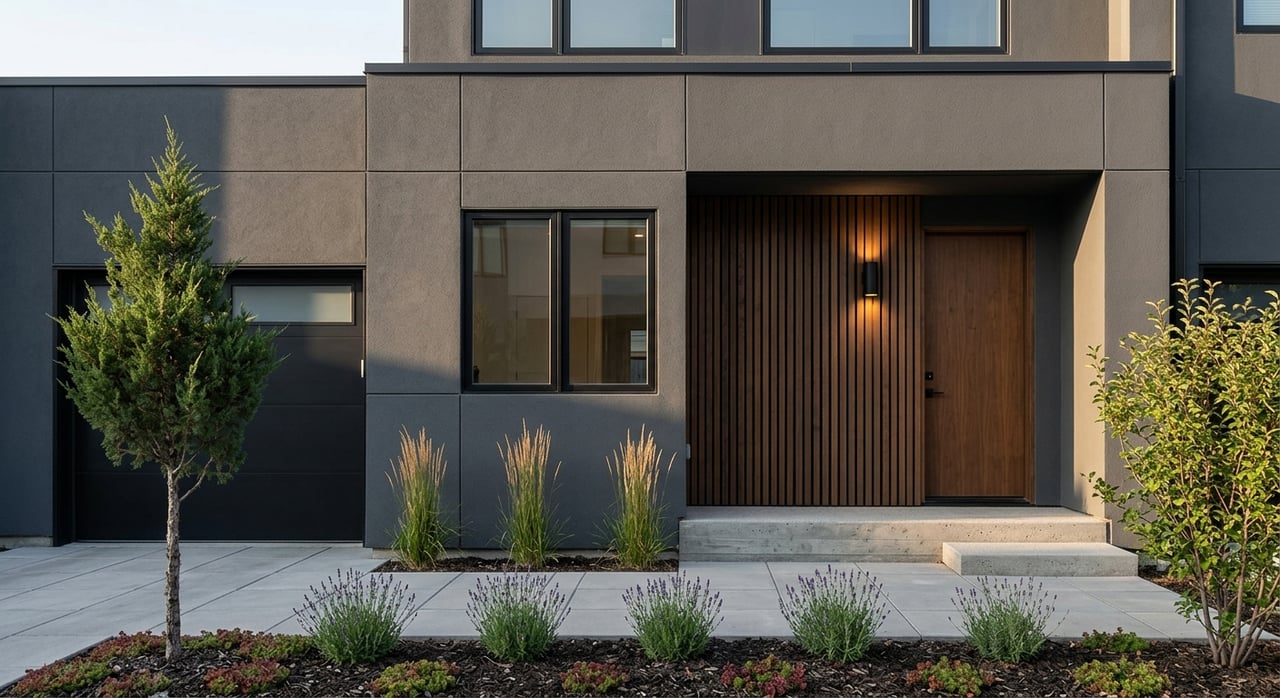
Selling a historic Avenues home can feel like a balancing act. You want strong market exposure and a clean, confident sale, but you do not want to strip away the details that make your home special in the first place. The good news is that in 84103, character is not a side note. It is often part of the value. If you are preparing to list, this guide will show you how to present your home thoughtfully, navigate approvals, and build buyer confidence without losing the soul that drew you there. Let’s dive in.
Why Avenues character matters
The Avenues Historic District is one of Salt Lake City’s older and most significant residential areas. Salt Lake City notes that the district includes a broad range of residential styles from the late 1860s onward, with most buildings dating from 1880 to 1930. More than 100 architect-designed homes have been identified in the district, with styles ranging from Queen Anne to Prairie.
That context matters when you list. Buyers are not just looking at square footage or finish levels. They are also responding to the setting, the architecture, and the sense of continuity that makes the neighborhood distinct.
The physical layout adds to that appeal. City guidance highlights the Avenues’ small lots, narrow streets, walkways, mature trees, retaining walls, elevated porches, and traditional setbacks. Detached rear garages and narrow side yards are also part of the historic pattern, so buyers often expect homes here to feel different from newer construction.
Know your market in 84103
A well-positioned historic listing starts with understanding who may be drawn to it. In 84103, Census Reporter shows 23,749 residents, a median age of 36.1, median household income of $83,916, and a highly educated population, with 66.8% holding a bachelor’s degree or higher. Median owner-occupied home value is $779,200.
City planning materials also show that the broader Avenues area had a 2024 MLS median home price of $802,500, which is about 42% above the rest of Salt Lake City. That does not guarantee a premium for every home, but it does suggest that buyers in this area may be willing to pay for location, preservation, and architectural integrity.
This is where presentation matters. A buyer choosing the Avenues is often choosing a lifestyle tied to historic streetscapes, established homes, and visible craftsmanship. Your listing strategy should help them see that clearly from the first photo to the final walkthrough.
Lead with authentic features
When you prepare your home for market, the goal is not to make it look generic. The goal is to make it feel cared for, cohesive, and true to its era.
Salt Lake City’s design guidance favors preserving original scale, materials, and form. Appropriate primary materials typically include brick, stucco, stone, and wood, while panelized and synthetic materials are generally considered inappropriate for primary structures. That tells you something important about buyer expectations in this district: visible authenticity matters.
As you get ready to list, focus on the features that help your home read as historic and well maintained, such as:
- Original brick, stone, stucco, or wood exterior elements
- Defined front porches and entry sequences
- Retaining walls, stairs, and period walkways
- Mature landscaping that frames the home rather than hides it
- Traditional setbacks and rear garage placement, if present
You do not need to over-style these elements. In many cases, the best move is to clean, repair, and simplify so buyers can actually see them.
Stage from the sidewalk in
In the Avenues, curb appeal is not just about the facade. The city’s handbook treats walkways as an extremely significant element and notes that park strips and mature trees create visual continuity across the district. It also says sandstone sidewalks and stone paving blocks should be preserved where they remain.
That means your listing preparation should start before a buyer reaches the front door. Clear visual clutter from porches, steps, retaining walls, and paths. Make sure the approach feels intentional, open, and connected to the streetscape.
For photography and showings, a few practical moves can make a big difference:
- Remove extra planters, storage items, and seasonal clutter from the porch
- Sweep steps, walkways, and sidewalk edges carefully
- Tidy the park strip and trim back overgrowth without over-pruning mature plantings
- Highlight original hardscape instead of covering it
- Keep exterior furnishings minimal and scaled to the home
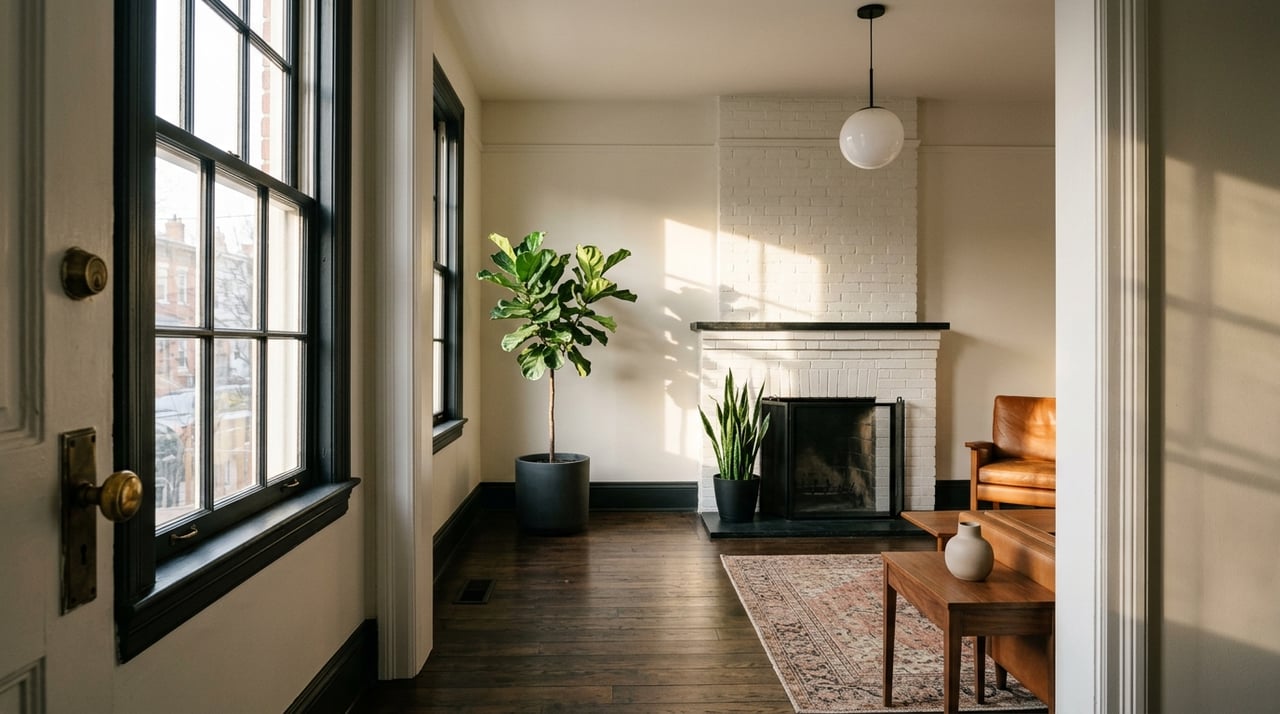
Inside, take the same approach. Let original trim, windows, stair details, fireplaces, or built-ins stand out. A clean, editorial presentation usually works better than trying to mask age with trendy finishes or heavy staging.
Make repairs that respect the home
If you are considering updates before listing, think in terms of preservation-minded improvement. In a historic district, buyers may respond better to thoughtful repairs than to renovations that erase texture or alter scale.
The city’s design guidance supports consistency with historic precedent. New additions should fit the traditional front setback and block scale, and taller portions should be set farther back on the lot. New garages should remain detached and toward the rear when possible.
For sellers, the takeaway is simple. If a repair helps the home feel sound, cared for, and architecturally coherent, it may support value. If a project makes the home feel less like an Avenues property and more like a generic remodel, it may weaken your positioning.
Check approvals before you improve
This is one of the most important steps before listing. Salt Lake City requires planning approval for exterior changes to any property in a local historic district or locally designated landmark site. Except for paint color and minor maintenance, exterior work must be approved before it begins and before a building permit is issued, and that approval comes through a Certificate of Appropriateness, often called a COA.
Interior work does not require a COA. But if your pre-listing plan includes exterior repairs, window changes, garage work, or additions, you need to verify the approval path before starting.
Salt Lake City scales review based on the project. Minor work may be approved at the counter. Administrative review can cover certain projects, including window replacement, garages, and additions smaller than 50% of a house footprint. Demolition of contributing structures, new primary construction, and major alterations go to the Historic Landmark Commission for a public hearing.
The city also recommends contacting staff early, before designs are finalized. For a seller, that can save time, reduce uncertainty, and help avoid transaction issues later if buyers ask about permits or approvals.
Build a listing packet that answers questions
Historic homes often generate more buyer questions than newer properties. That is not a problem if you are ready for it. A strong documentation packet can turn uncertainty into confidence.
Salt Lake City says the original National Register nomination form is usually a strong place to start for National Register properties. The city also points owners to the Salt Lake County Archives as a source for historic photographs from 1935 through 1988. In broader historic documentation guidance, complete photo records of the exterior, interior, site, and environment, including before-and-after conditions, are treated as important.
For your listing, consider gathering:
- Before-and-after photos with dates
- Certificates of Appropriateness
- Building permits and stamped plans
- Contractor invoices
- Material specifications
- Warranty information
- Historic photos or archival references, if available
This does more than organize paperwork. It helps buyers and appraisers understand what is original, what has been repaired, and what upgrades were completed within the city’s review framework.
Market the story, not just the specs
A historic Avenues home deserves more than a standard listing template. Yes, buyers need the basics like room count, square footage, and system updates. But in this part of Salt Lake, they also need help seeing the home’s place within a larger architectural and neighborhood context.
That is where strong listing strategy matters. Professional photography should capture both detail and setting, from porch lines and masonry to the streetscape and approach. The narrative should explain what has been preserved, what has been improved, and how the home fits the traditional rhythm of the block.
This kind of marketing works best when it is paired with clean documentation and a well-managed process. Presentation gets attention. Operational discipline helps the sale hold together once serious buyers start asking detailed questions.
Protect the soul and the sale
The strongest historic listings in the Avenues usually share a few traits. They preserve visible character, modernize carefully where needed, and present complete, orderly records. That combination aligns with the district’s identity and gives buyers fewer reasons to hesitate.
If you are listing in 84103, your goal is not to make a historic home compete like new construction. Your goal is to show why its age, materials, setting, and architectural presence still matter today. When you do that well, you protect both the home’s story and your sale outcome.
If you want a marketing plan that respects historic character while keeping the listing process organized and polished, Christian Casados brings a white-glove, detail-driven approach to presentation, photography, and transaction management.
FAQs
What makes an Avenues home in Salt Lake City feel historic to buyers?
- Buyers often respond to original materials, traditional scale, porch and walkway details, mature landscaping, and the way the home fits the historic streetscape.
Do exterior changes to a home in the Avenues Historic District need approval?
- Yes. Salt Lake City requires approval for exterior changes in a local historic district, except for paint color and minor maintenance, through a Certificate of Appropriateness before work begins.
Does interior work on an Avenues historic home require a Certificate of Appropriateness?
- No. Salt Lake City states that interior work does not require a Certificate of Appropriateness.
What records should sellers keep for a historic home listing in 84103?
- Helpful records include before-and-after photos, COAs, permits, stamped plans, contractor invoices, material specs, warranties, and any historic photos or archival documentation available.
How should you stage a historic Avenues home before listing?
- Focus on cleaning, repairing, and simplifying so original features, walkways, porches, hardscape, and architectural details are easy to see in photos and in person.