Torn between a classic Sugar House bungalow and a sleek new build? You are not alone. Each path offers a different mix of cost, time, and peace of mind. In this guide, you will learn how to compare price per square foot the right way, what financing actually fits your plan, how long it may take to move in, and how each choice fits Sugar House’s streetscape and resale story. Let’s dive in.
Price per square foot method
Price per square foot is only useful if you measure it the same way across options. Use finished, heated living area for both homes. Do not include garages, unfinished basements, or porches.
- Baseline formula: sale price divided by finished square feet.
- Renovation “all-in” formula: (purchase price + renovation cost) divided by finished square feet.
- New build “all-in” formula: (lot cost + construction + builder upgrades + site work) divided by finished square feet.
Always note which square footage source you used. Appraisal and assessor numbers can differ from builder plans.
All-in cost checklist
Comparing a renovated bungalow to a new build in Sugar House works best when you capture every cost, not just the sticker price.
Renovated bungalow costs
- Hard costs: materials and labor for kitchen, baths, flooring, systems, structural.
- Soft costs: permits, design or architect fees, engineering.
- Contingency: 10 to 20 percent for unknowns behind walls or in the foundation.
- Carrying costs: interest, taxes, insurance, and utilities during the renovation period.
- Temporary housing: if you cannot occupy during the work.
New build costs
- Land: lot purchase or tear-down acquisition.
- Site work: demo, excavation, foundation, grading, utility hookups, impact fees, driveway, and landscaping.
- Builder allowances: finish upgrades and change orders.
- Builder overhead and profit: included in the contract but often forgotten in early estimates.
- Property taxes: potential reassessment once complete.
Include opportunity cost in both paths. Time to move in affects carrying costs and can impact market appreciation you might miss during construction or renovation.
Financing options to compare
Your financing choice should match your scope and timeline.
- Conventional mortgage: best for move-in ready homes or new builds that already have permanent financing in place.
- Construction-to-permanent loan: funds construction with interest-only draws, then converts to a fixed mortgage at completion. Expect different down payment and reserve rules than a standard loan.
- Renovation loans:
- FHA 203(k): combines purchase and rehab under FHA rules for moderate to major work.
- Fannie Mae HomeStyle Renovation: a conventional option with broad project flexibility.
- VA renovation: for eligible veterans, with program-specific terms.
- Home equity or HELOC: works if you already own property with equity and plan to renovate after purchase.
- Cash: simplifies negotiations and timing but has opportunity cost.
Appraisal and underwriting issues
Older bungalows can face financing hurdles. Nonpermitted additions, major deferred maintenance, or outdated electrical like knob-and-tube can block standard mortgages. Renovation loans solve this by lending against after-renovation value, but they require a clear scope, contractor bids, and a draw schedule. New construction appraisals rely on comparable new homes. If your block has few new builds, appraisals may be conservative.
Practical lender steps
- Get pre-approved with a lender that regularly closes renovation or construction loans in Salt Lake City.
- Gather detailed contractor bids, plans, and timelines early if you pursue renovation.
- Build extra time into your approval path for construction and renovation products.
Move-in timeline in Sugar House
Timelines vary with scope, permitting, and contractors. Plan buffers so small delays do not upend your move.
Renovated bungalow timeline
- Offer to close: often 30 to 45 days with conventional financing.
- Design and permit drawings: 2 to 8 weeks if structural, electrical, or plumbing changes are planned.
- City review and permits: varies by workload and scope. Structural or addition work can take longer.
- Construction: small cosmetic updates 2 to 8 weeks; mid-scope kitchen, bath, and systems 8 to 16 weeks; full gut or addition 4 to 9 months or more.
- Final inspections and approvals: schedule ahead to avoid delays. Move in after completion and any required approvals.
New build timeline
- Land, site planning, and design: 4 to 12 weeks or more depending on complexity.
- Entitlements and permits: varies, often longer for infill lots. Coordinate utilities, grading, and stormwater.
- Build cycle: foundation, framing, mechanicals, then interiors and finishes.
- Typical duration: about 6 to 12 months from permit to completion for a single-family infill home, longer for complex lots or custom specs.
Local bottlenecks to watch
- Permit review workload and scope-specific reviews.
- Historic or neighborhood design review if applicable.
- Contractor backlog during high-demand periods.
- Utility tie-ins and impact-fee timing.
- Weather: winter can slow exterior work.
- Inspection scheduling and availability.
Planning tips
- Ask Salt Lake City Building Services for current review timelines before you lock a schedule.
- Require a detailed construction schedule and milestone payment plan in all contracts.
- Add time contingencies: 10 to 25 percent for renovations and 15 to 30 percent for new builds.
- If your move date is fixed, target move-in ready or near-complete inventory.
Maintenance outlook and 10-year view
Older homes carry character and history. They can also come with hidden to-do lists. New construction offers early-years predictability and efficiency.
Typical life cycles
- Roof: asphalt shingles about 20 to 30 years.
- HVAC: 10 to 20 years depending on care and equipment.
- Water heater: 8 to 15 years for tank units.
- Electrical: older 60 to 100 amp panels and knob-and-tube may require upgrades. New homes commonly have 200 amp service.
- Plumbing: galvanized steel can corrode; copper and modern plastics last longer.
- Foundation and drainage: older homes may need grading, waterproofing, or seismic updates.
- Windows and insulation: single-pane windows and minimal insulation raise energy costs.
Common deferred items in Sugar House bungalows
- Electrical panel upgrades and rewiring.
- Replacement of older plumbing.
- Foundation settlement fixes, crawlspace moisture, or seismic anchoring.
- Roofing and gutters.
- Exterior porch and trim restoration that respects historic details.
New build maintenance profile
- Builder warranties often cover workmanship for 1 year and structural or major systems for longer. Terms vary by builder.
- Lower maintenance in the first 5 to 10 years and better energy efficiency are common benefits.
- Track punch-list items and warranty response times as part of your evaluation.
To compare long-term costs, include immediate capital items at purchase and run a basic 10-year projection for big-ticket items like a roof or HVAC.
Streetscape and resale fit in Sugar House
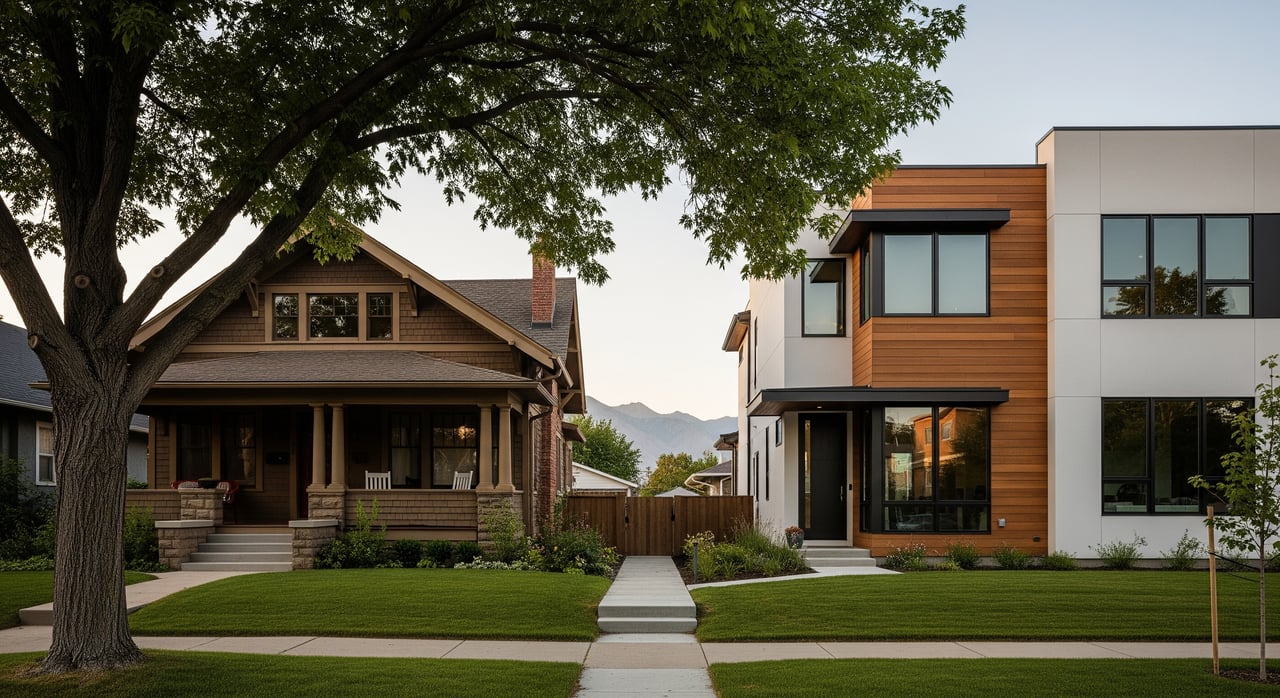
Sugar House is known for walkability, tree-lined streets, porches, and small to mid-sized lots near parks and retail corridors. Many buyers value the human-scale look of the blocks.
- Renovated bungalows tend to preserve the neighborhood rhythm of setbacks, rooflines, and front porches. Sensitive updates can support resale.
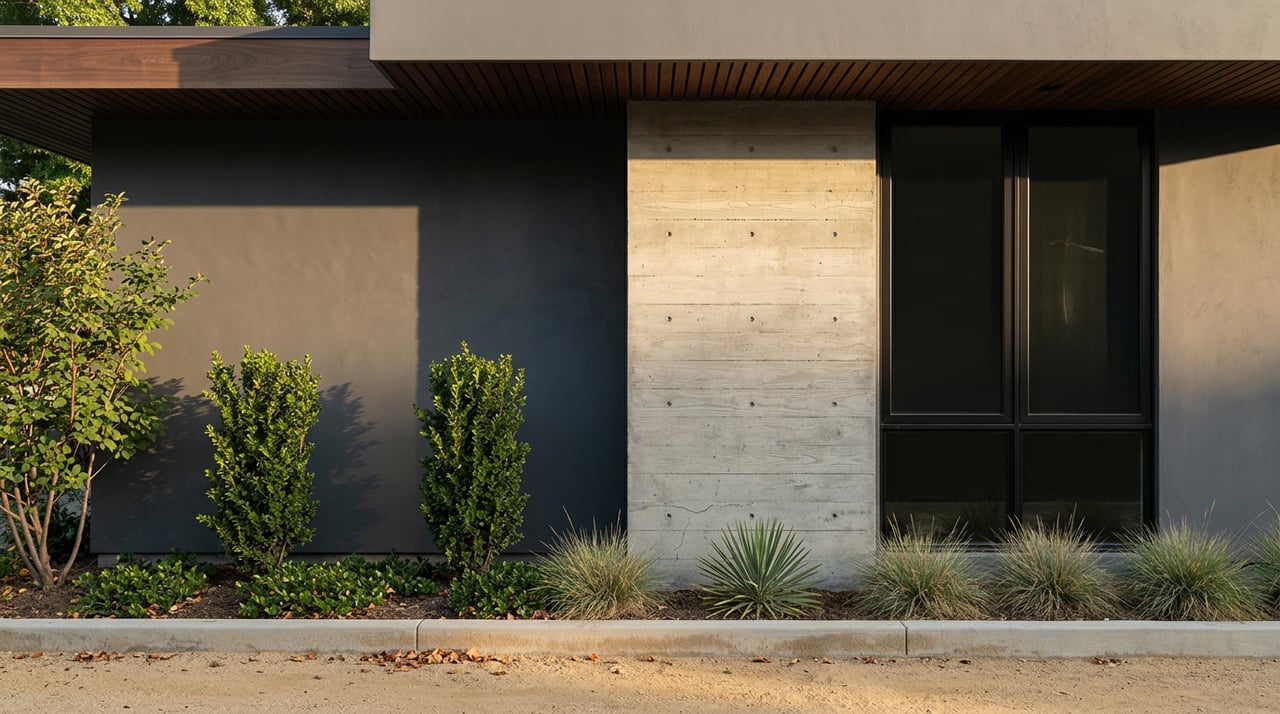
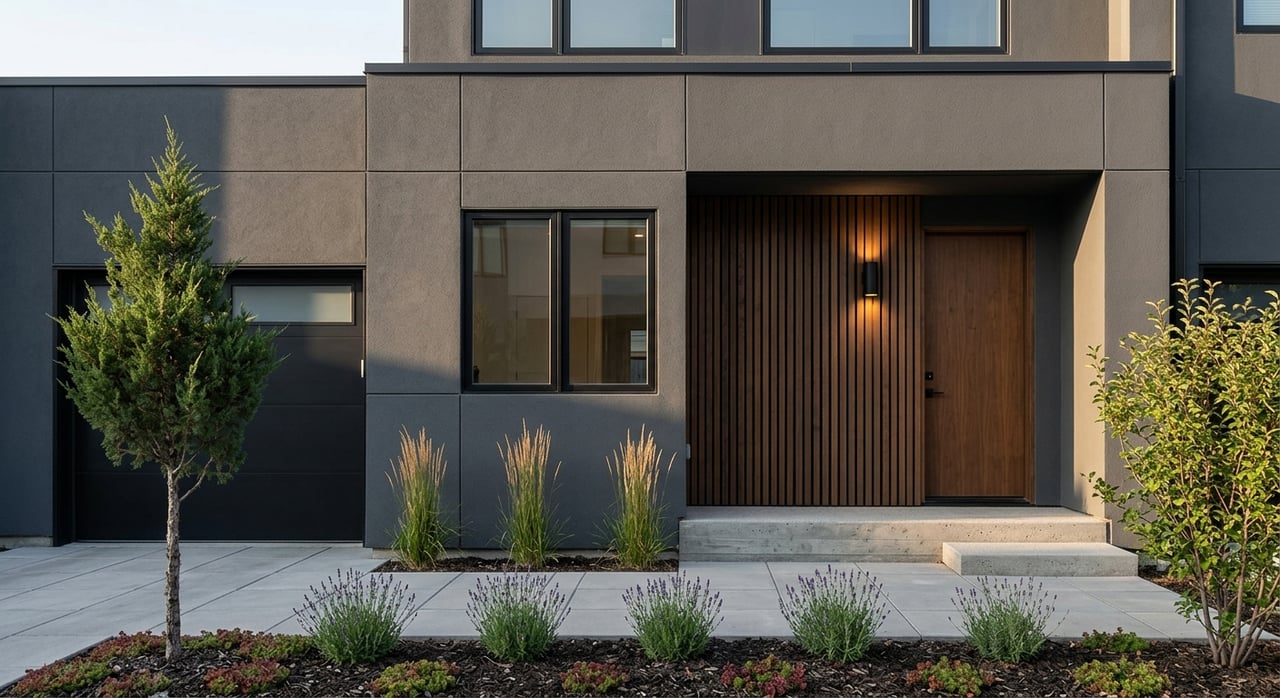
- Contemporary new builds can command a premium when design quality aligns with the block. Garage-forward designs or oversized massing may meet resistance and impact curb appeal.
- Review orientation, roof pitch, exterior materials, and landscaping to judge how a home will live on the street and attract future buyers.
Decision framework
Use these five lenses to pick your best path.
- Time to move in: do you need a home now, or can you wait through design and construction?
- Risk tolerance: are you comfortable with renovation surprises, permitting, and draws?
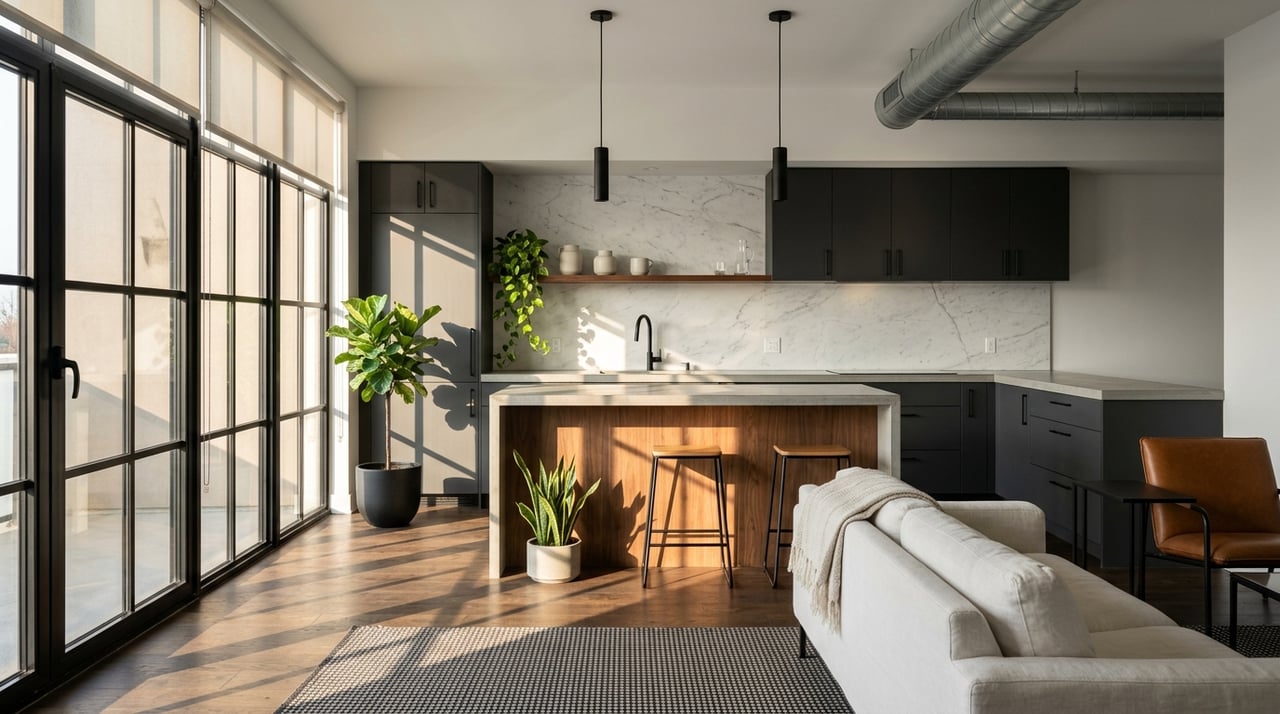
- Style priorities: do you prefer historic charm or modern layouts and systems?
- Maintenance appetite: will you budget for older systems or lean on builder warranties?
- All-in cost: run the true, apples-to-apples price per square foot for each option.
Buyer checklist
- Inspection: get a full inspection for bungalows with specialists for electrical, plumbing, and foundation. For new builds, review builder references and warranty terms.
- Permits and history: verify prior permits and records through city or county sources.
- Scope and bids: collect three or more contractor bids with timing and allowances. Add 10 to 25 percent contingency.
- Builder plan: review schedule, site logistics, allowances, and who covers curb, driveway, and landscaping.
- Financing: pre-approve with a lender experienced in renovation or construction loans and confirm timelines.
- All-in analysis: include renovation or lot costs, carrying costs, and a 5 to 10 year maintenance projection.
- Zoning and design controls: check feasibility for additions or ADUs before you rely on that future plan.
- Comps: compare 3 to 5 recent renovated bungalows and 3 to 5 new homes in Sugar House to test resale assumptions.
Ready to choose with clarity? A structured plan, realistic budget, and timeline buffers will help you land the right Sugar House fit. If you want a local, data-informed strategy, book time with Christian for comps, lender introductions, and a step-by-step schedule you can trust. Connect with Christian Casados to get started.
FAQs
How do I compare price per square foot for Sugar House homes?
- Use finished, heated living area for both options, then calculate “all-in” price per square foot by adding renovation or lot and site costs to the purchase or build number before dividing.
Can I finance both purchase and renovation of a bungalow?
- Yes. Options include FHA 203(k), Fannie Mae HomeStyle Renovation, and certain VA renovation loans, each with specific underwriting, scope, and draw requirements.
How long will permits and inspections take in Salt Lake City?
- Timelines vary by scope and city workload. Structural work and additions take longer. Ask the city for current averages and add a time contingency to your schedule.
What repairs are common in 1920s to 1940s bungalows?
- Expect possible electrical panel upgrades, rewiring, plumbing replacement, roof and gutter work, foundation or drainage fixes, and energy upgrades for windows and insulation.
Do new builds in Sugar House face appraisal challenges?
- Sometimes. Appraisals rely on comparable new homes. If your block has few new builds, appraised values may be conservative compared to contract price.
What are the early maintenance differences with new construction?
- New builds often include a builder warranty and have lower maintenance and better energy efficiency in the first 5 to 10 years, though finish punch lists are common.
What is a realistic move-in timeline for a new build?
- A single-family infill home commonly takes about 6 to 12 months from permit to completion, longer for complex designs, lot constraints, or utility delays.