You know the postcard shots: powder-dusted roofs, crisp blue mornings, and a quick glide to the lifts. But what does a full winter in Park City actually feel like when you live here or own a second home? The answer blends mountain rhythms, smart transit habits, and a few cold‑weather systems that make everyday life run smoothly. In this guide, you’ll get a clear picture of the season, neighborhood vibes, how to get around, and a first‑winter checklist so you can settle in confidently. Let’s dive in.
Winter at a glance
Park City sits around 6,900 to 7,000 feet and is about 32 miles from Salt Lake City, usually a 30 to 45 minute drive when roads are clear. That elevation shapes everything from sleep to skiing and can mean punchy sun and fast‑changing weather. For context, see the town’s location and basics on the Park City page on Wikipedia.
Snow defines the calendar. Park City Mountain and Deer Valley typically open in late November and run through mid to late spring, depending on snow and snowmaking. Seasonal snowfall at resort elevations often lands in the 300 inch range. You can review averages and resort scale on Ski Utah’s Park City Mountain profile. Season timing varies year to year, which local outlets also note, so expect some flexibility in opening and closing targets. A recent example of opening plans is covered by the Park Record.
How your week actually flows
Weekdays are calmer. You’ll notice lighter lift lines outside of holidays, easier parking at grocery stores, and a steadier pace downtown. Sundays and holiday Mondays, including Presidents Day, feel busiest.
For errands, most large stores and services sit at Kimball Junction in the Snyderville Basin. It is the practical hub for groceries, gear, and everyday stops. Get a feel for the area’s role on this Kimball Junction overview.
When it snows, you plan your day around road conditions and transit. Many locals time a quick ski in the late morning or early afternoon, then handle errands before the late‑day rush.
Neighborhood feel in winter
Old Town and Main Street
You’ll find walkable streets, galleries, and dining anchored by Historic Main Street. Evenings swell during holidays and events, then settle on mid‑week winter nights. Proximity to the Park City Mountain base is a plus if you like quick laps. For town context, skim Wikipedia’s Park City page.
Deer Valley and Deer Crest
These areas lean into hotel services and ski‑in/ski‑out convenience. Streets stay relatively quiet, while base areas pulse on snow days. Deer Valley focuses on a refined guest experience and manages volume differently than other mountains.
Kimball Junction and Snyderville Basin
Residential and service‑rich, this is where many year‑round routines play out. You’ll grab groceries, hit gyms, and find most daily needs here, away from Main Street foot traffic. See the Kimball Junction overview for a practical snapshot.
Canyons Village and newer resort areas
Expect a resort‑style pace with condos, hotel amenities, and lift traffic that spikes on peak days and holidays. It is convenient for visitors and owners who prioritize access and amenities.
Getting around without hassle
Free bus and regional service
Park City’s bus system is free, year‑round, and links Main Street, resorts, neighborhoods, and Kimball Junction. On busy days, the bus is often the fastest way between base areas and downtown. Read how it works on the city’s Transit overview.
Regional projects like the planned SR‑224 bus rapid transit aim to boost frequency on major corridors, easing winter congestion. See High Valley Transit’s notes on the SR‑224 BRT project.
Driving and traction rules
Storm days change the rules. Utah can require winter tires, chains, or approved traction devices on specific routes during severe conditions. Requirements vary by vehicle type, and you may be turned away if you are not compliant. Review the state’s guidance on the UDOT traction law page.
Snow at the property
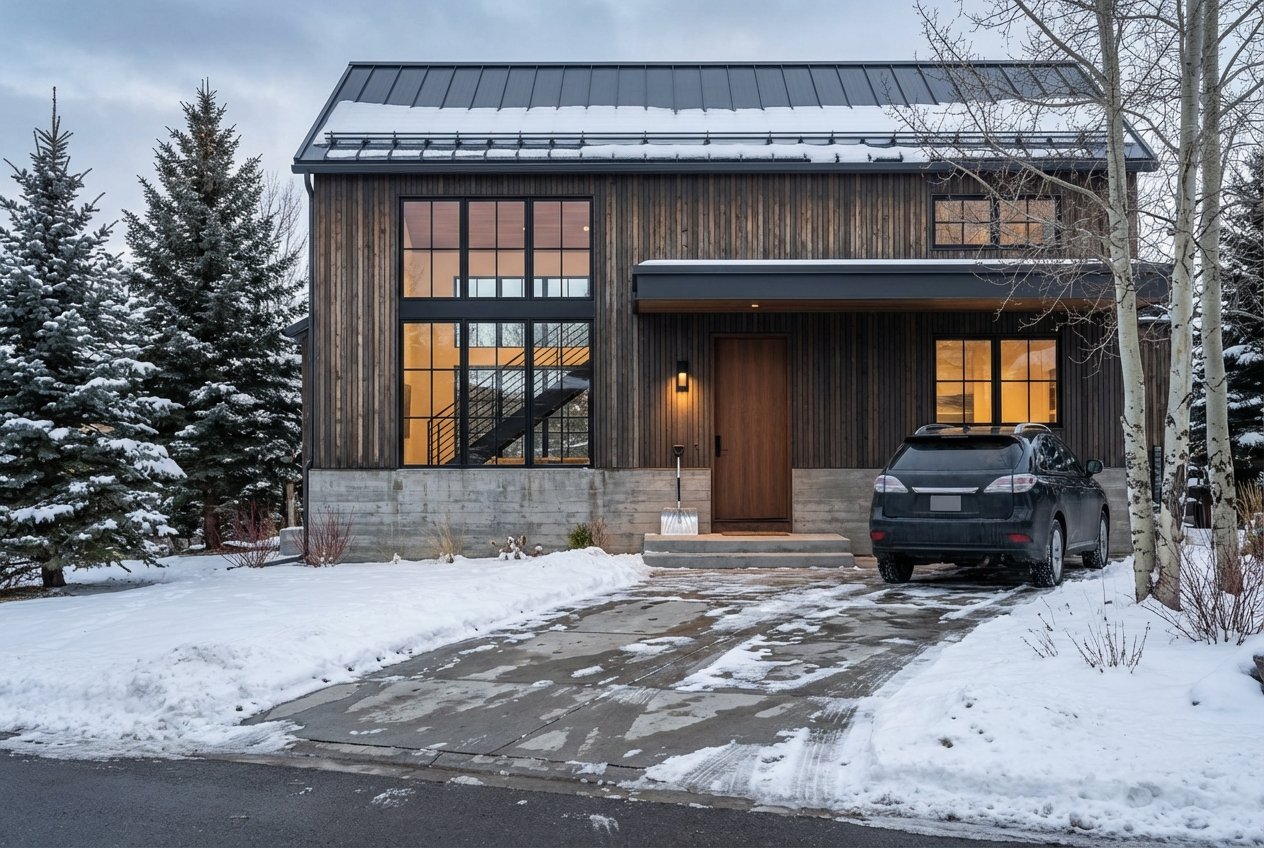
Park City divides sidewalk plowing between city‑maintained segments and owner‑maintained segments. That affects your daily routine: clearing walkways, driveway plowing, and where you can park during storms. See the city’s Snow Clearing page for how responsibilities are assigned.
Ski days, après, and evenings
Powder mornings bring both locals and visitors to the lifts. Holidays and the late‑January Sundance overlap stack up the longest lines, so book dining and rentals well ahead. Park City Mountain’s size and Deer Valley’s ski‑only model create different flow and service profiles, which you can compare on the Ski Utah Park City Mountain page.
Après ranges from patio music near the base to reservations‑worthy dining on Main Street. On sunny days, patios hum. On colder nights, you will find cozy bars and restaurants downtown. Expect a mix of family‑friendly and elevated hotel lounges. For a flavor of spring patio energy, browse this local après overview.
Sundance week: what changes
Sundance in late January is the largest non‑ski event of winter. Main Street programming often shifts traffic patterns, and festival shuttles replace some normal parking. Hotels and restaurants are very full. If you live or stay in Old Town, plan errands and reservations early, and expect more walking during the festival window. Get this year’s dates and format on the Sundance update page.
Time and cost you will really feel
- Heating and utilities: Cold nights and elevation mean more heating days. Bills vary by fuel type and insulation. Smart thermostats help.
- Snow removal and property care: Many second‑home owners hire local managers for plowing, walkway clearing, and post‑storm checks. Budget for HOA or seasonal service fees.
- Transit and parking strategy: On storm or holiday days, the free bus and planned drop‑offs can save time over driving and searching for base‑area parking. See the city’s Transit overview to plan routes.
Your first‑winter checklist
- Car readiness: Equip winter‑rated tires (3‑Peak Mountain Snowflake) or carry approved traction devices, and check live traction status before canyon drives. Review details on the UDOT traction law page.
- Home prep: Insulate exposed pipes, set remote thermostat schedules, and line up a local contact or property manager to clear snow and check the home after storms.
- Alerts and info: Subscribe to UDOT traffic updates for road status, Park City Transit route alerts, and the Utah Avalanche Center forecast.
- Event weeks: For Sundance and holiday periods, secure dining and services early and expect pedestrian‑first patterns downtown. Confirm festival timing via the Sundance update.
Backcountry and sidecountry safety
If you plan to tour or leave resort boundaries, make avalanche awareness part of your routine. The Utah Avalanche Center provides daily forecasts, education, and alerts. Sign up and review their guidance on the UAC information hub. On big storm cycles, expect higher risk and busy rescue resources. Carry the right gear, go with trained partners, and match routes to conditions and experience.
The bottom line
A Park City winter feels both energized and manageable when you set a few smart systems. You build your week around snow and events, rely on the free bus on peak days, prep your car and home for storms, and choose a neighborhood that fits your pace. Do that, and you get the best of the season: great snow, walkable nights on Main, and a town that runs on outdoor energy.
If you are considering a move or a second home, you do not have to navigate the details alone. Work with a local advisor who combines marketing finesse with disciplined systems to keep your purchase or sale on track. When you are ready to talk next steps, connect with Christian Casados to book a consultation.
FAQs
How snowy and cold is a typical Park City winter?
- Expect frequent below‑freezing nights and significant snowfall at resort elevations, with seasonal totals often in the 300 inch range.
What is the easiest way to get around during busy ski days?
- Use the free Park City bus between Main Street, base areas, and Kimball Junction, and plan drop‑off or rideshare instead of hunting for base parking.
Do I need 4WD or chains to drive in storms?
- Plan as if you do. Utah can require winter tires or traction devices on specific routes during storms, and vehicles can be turned away if not compliant.
How does Sundance affect daily life in Old Town?
- Expect pedestrian‑focused streets, festival shuttles, and very full restaurants and hotels. Book early and plan to walk more during the festival window.
Which neighborhood feels most practical for daily errands in winter?
- Kimball Junction in Snyderville Basin concentrates grocery stores, big‑box retail, and services, making it a convenient year‑round hub.