Torn between the charm of a classic Avenues bungalow and the ease of a sleek new build? You’re not alone. Choosing between historic and modern homes in 84103 comes down to how you want to live, what you plan to invest in maintenance and upgrades, and how you think about resale. In this guide, you’ll learn the practical pros and cons for both options, plus the inspections, permits, and energy considerations that matter in The Avenues. Let’s dive in.
The Avenues at a glance
The Avenues is one of Salt Lake City’s oldest neighborhoods, with homes that date back to the late 1800s and early 1900s. You’ll see Victorian, Craftsman, and early 20th‑century styles with tall ceilings, original trim, and front porches. Newer infill and remodeled properties add open layouts, updated systems, and improved energy performance.
Local site factors shape ownership here. Winters bring freeze‑thaw cycles that challenge roofs, flashing, masonry, and foundations. Hillside lots can require careful drainage and retaining wall maintenance. Utah’s seismic risk means unreinforced foundations and brick chimneys in older homes may need retrofit work.
Historic homes: what to expect
Pros
- Distinctive character and curb appeal with original millwork, hardwoods, porches, and mature trees.
- Strong “sense of place” that many buyers seek in The Avenues.
- When systems and finishes are thoughtfully updated, well‑renovated historic homes often draw premium interest.
Cons
- More hands‑on maintenance and specialist trades for plaster, carpentry, and masonry.
- Older systems like knob‑and‑tube wiring, galvanized plumbing, and aging roofs may need replacement.
- Basements and crawlspaces can have moisture issues and may need drainage or waterproofing.
- Exterior changes visible from the street in designated areas may require historic‑preservation review.
Modern homes: what to expect
Pros
- Lower short‑term maintenance if major systems are newer.
- Better insulation, air sealing, and efficient HVAC for comfort and lower utility use.
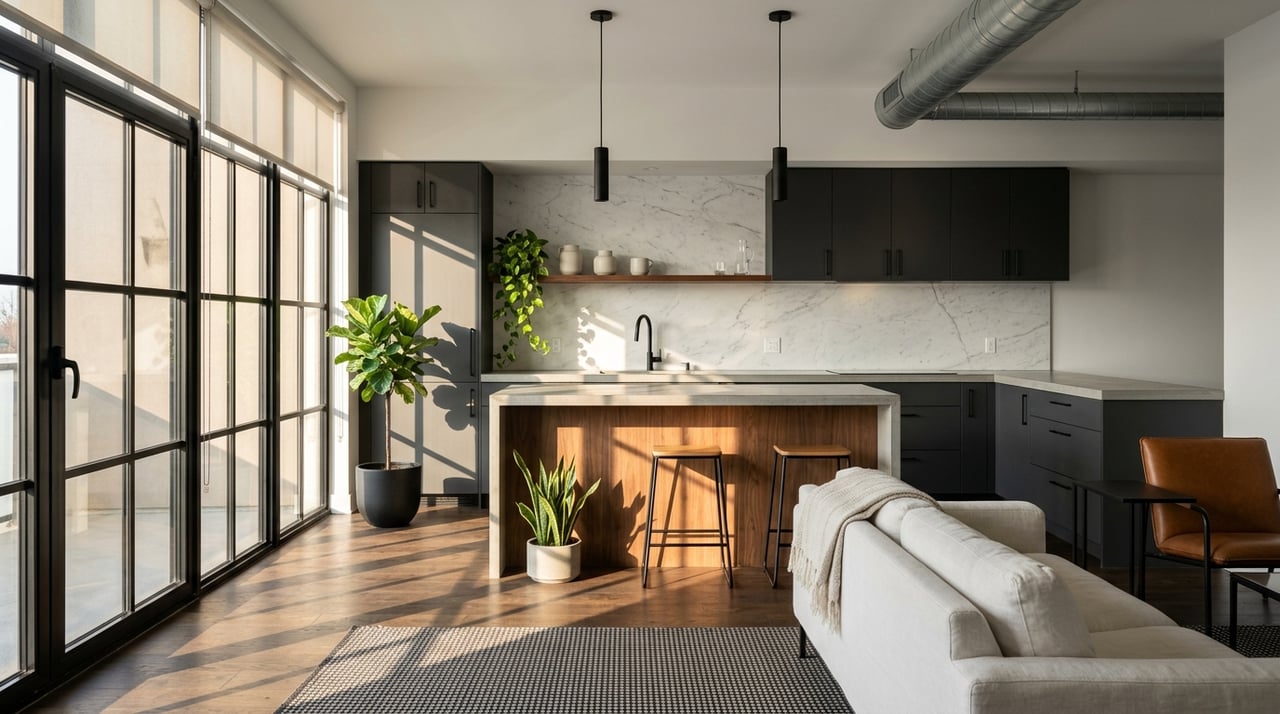
- Open layouts, modern kitchens and baths, and often improved parking or garage access.
Cons
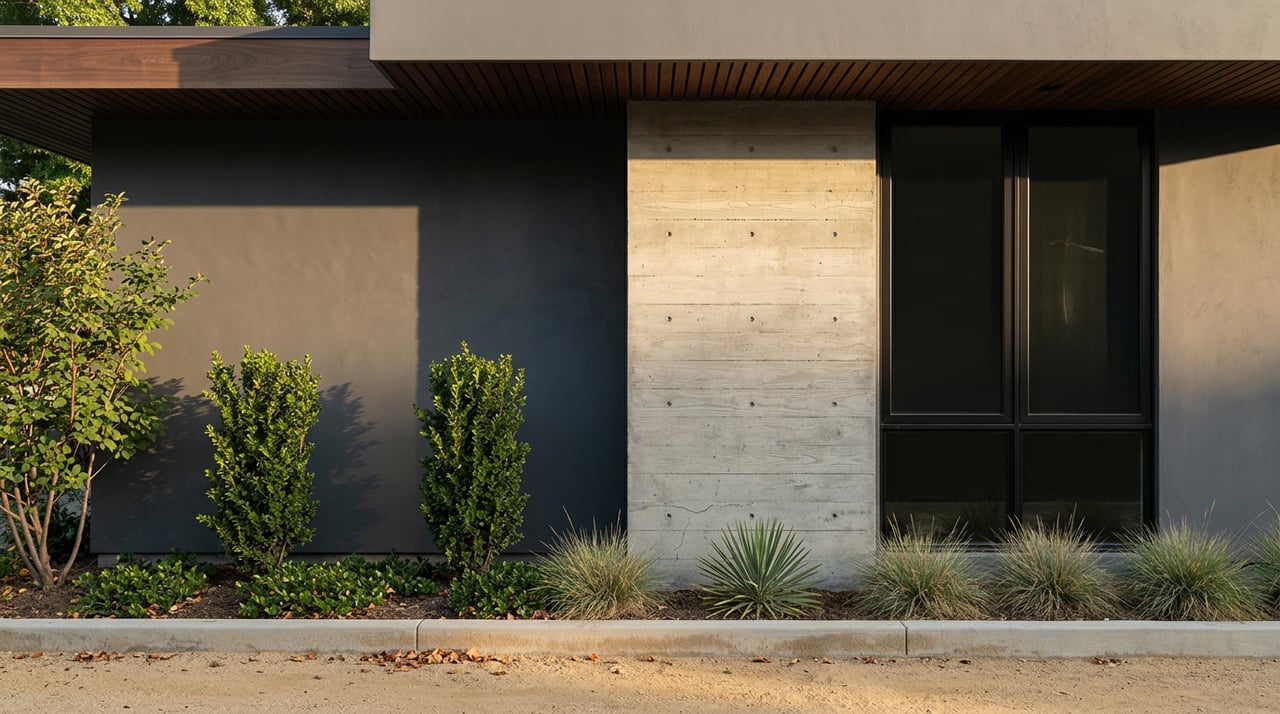
- May lack original craftsmanship and historic details buyers love in The Avenues.
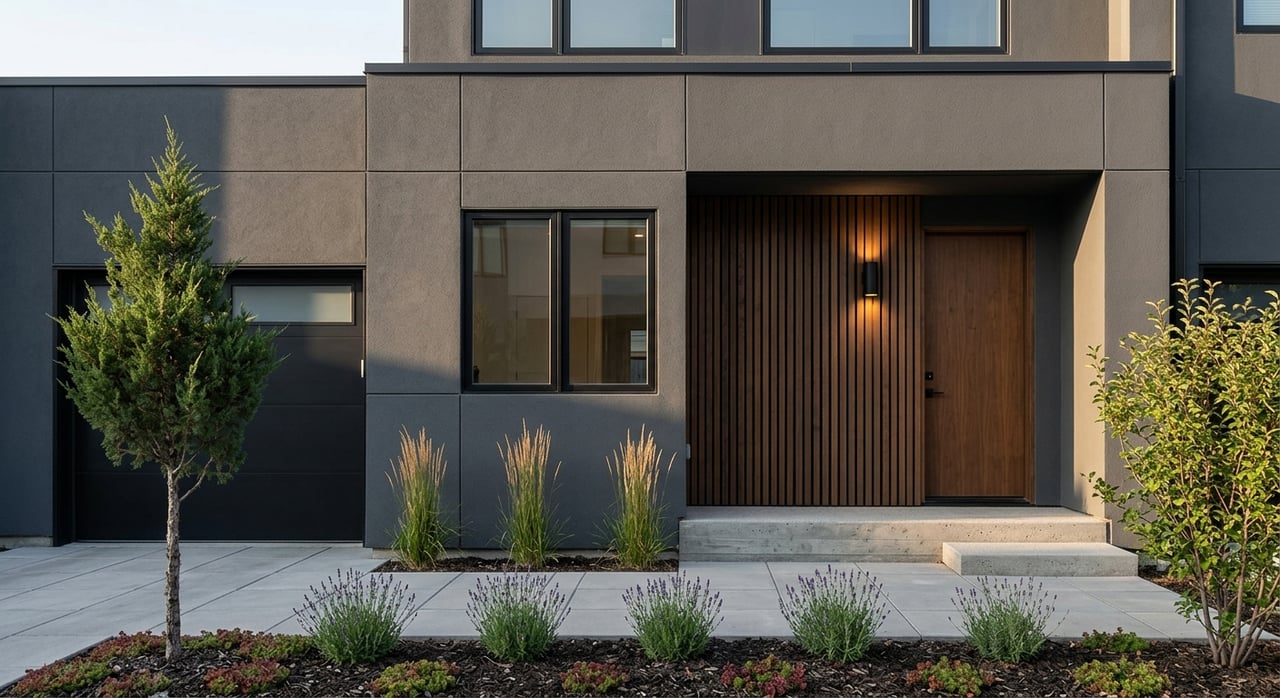
- If a new build feels out of scale with the block, some buyers may hesitate.
- Even new homes can have builder defects or items that require warranty follow‑up.
Maintenance and systems
Historic homes usually carry more ongoing upkeep. Expect paint cycles on wood siding and trim, porch and window repairs, and periodic projects like chimney work or roof replacement. Electrical, plumbing, and mechanical systems may need upgrades to meet today’s safety and comfort expectations.
Modern homes tend to have fewer immediate capital needs, especially if the roof, HVAC, and water heater are newer. Still, plan for standard lifespans: furnaces often last 15–25 years, water heaters 8–15 years, and roofs 20–30 or more depending on materials. In both cases, local weather means paying attention to flashing details, ice dam prevention, and drainage.
Energy efficiency tips
Older Avenues homes often have minimal wall insulation, single‑pane wood windows, and air leaks around trim. Smart upgrades include attic insulation, targeted wall insulation where accessible, air sealing, and duct improvements. Many owners add storm windows or restore original frames to boost performance while keeping character.
High‑efficiency furnaces and mini‑split heat pumps are popular for improved heating and cooling with lower energy use. If you tighten up the envelope, consider balanced ventilation like an ERV or HRV to maintain indoor air quality. Federal credits and local utility rebates may be available for insulation, windows, and heat pumps; confirm current programs before you plan a project.
Renovation rules in 84103
Parts of The Avenues are under local historic‑preservation review. Exterior changes visible from the street, such as windows, siding, rooflines, and porches, may require approvals. Interiors are generally less regulated unless a property has special protections.
Plan for added time if your project needs review. Specialist trades for historic materials can be harder to schedule, which can extend timelines and budgets. Always check permit history and records, since older neighborhoods sometimes have unpermitted work that needs remediation or retroactive permits.
Inspections that matter
For any home
- General home inspection covering roof, structure, electrical, plumbing, HVAC, insulation, and moisture.
- Sewer scope. Older laterals in this area can be clay or cast iron and costly to fix.
- HVAC service check and carbon monoxide test for gas appliances.
- Radon test for basements or lower‑level living spaces.
- Pest inspection for wood‑destroying insects, especially in wood porches or framing.
For historic homes
- Electrical review for knob‑and‑tube, ungrounded outlets, fused panels, or overloaded circuits.
- Plumbing assessment for galvanized steel, lead solder, polybutylene, and cast‑iron drains.
- Foundation and structure evaluation. If you see major cracks or settling, get a structural engineer report.
- Chimney inspection for mortar, flue integrity, and seismic stability.
- Roof and flashing details around dormers and valleys.
- Hazardous materials testing if renovating, including lead‑based paint and potential asbestos.
For modern homes
- Verify permits and review as‑built plans for recent work.
- Confirm proper installation on HVAC and any smart or solar systems.
- Check builder warranty coverage and deadlines.
- Consider blower door or thermal imaging to validate energy performance.
Resale in The Avenues
Location, walkability, and views drive demand in 84103. Buyers love historic curb appeal, but many still expect modern kitchens, baths, and reliable systems. A historic home that blends character with updated mechanicals and energy improvements tends to perform well.
Move‑in‑ready modern homes often attract a wide buyer pool that values low maintenance and contemporary layouts. Limited off‑street parking or a new build that feels out of character can affect interest. Compare nearby comps for price per square foot, days on market, and sale‑to‑list ratios to gauge buyer appetite.
Quick buyer checklist
- Property basics:
- Year built and any major remodel dates. Confirm permits.
- Historic designation status and any preservation easements.
- Lot slope, mature trees, and drainage patterns.
- Systems and condition:
- Roof age and recent repairs.
- Electrical service type and panel capacity.
- Plumbing materials and sewer lateral condition.
- HVAC type and age. Note ducted systems or mini‑splits.
- Insulation levels and window type.
- Safety and hazards:
- Signs of moisture or mold in basements or crawlspaces.
- Potential lead paint or asbestos if you plan renovations.
- Radon test results.
- Any structural movement or significant cracks.
- Renovation and costs:
- Upcoming capital needs like foundation, roof, HVAC, or sewer.
- Historic review and permitting timelines for your plans.
- Availability of contractors experienced with historic materials.
- Energy and operating:
- Obtain recent utility bills if available.
- List potential efficiency upgrades and check current incentives.
- Resale and lifestyle:
- Local comparables for renovated historic vs newer builds.
- Parking, storage, and accessibility needs.
- Likely buyer pool for your home type.
- Inspection plan:
- Standard inspection plus sewer scope and targeted specialists as needed.
Which fits your goals
If you value story, craftsmanship, and a one‑of‑a‑kind exterior, a historic Avenues home can be a great fit. Just plan for ongoing care and budget for upgrades that align with preservation guidance. If you prefer low maintenance, higher efficiency, and open layouts, a modern or fully renovated home may serve you better.
Either path can be a strong move in 84103 when you buy with clear eyes and a realistic plan. A thoughtful inspection strategy, a permit and historic review check, and early quotes for likely projects will help you decide with confidence.
Ready to compare options or map out an inspection and renovation plan tailored to your goals in The Avenues? Connect with Christian Casados to book a consultation and get a white‑glove, compliance‑minded approach from search to closing.
FAQs
Will historic rules limit exterior changes in 84103?
- Exterior changes visible from the street in designated areas often require review and approval. Interiors are generally less regulated, but always confirm status before you plan work.
Are older Avenues homes more expensive to insure?
- Homes with updated wiring, plumbing, and heating often have comparable premiums. Outdated systems or fire risks can raise costs or require upgrades before binding coverage.
Can I improve energy efficiency without losing character?
- Yes. Focus on attic insulation, air sealing, storm windows or careful window restoration, and high‑efficiency HVAC. Add balanced ventilation if you tighten the home.
Do I really need a sewer scope in The Avenues?
- Yes. Older laterals are common, and failures are costly. A camera inspection before you buy helps you avoid surprises and budget for repairs if needed.
When should I bring in a structural engineer?
- If your inspector notes significant settling, large cracks, or foundation concerns, engage a structural engineer for a detailed assessment and retrofit recommendations.